
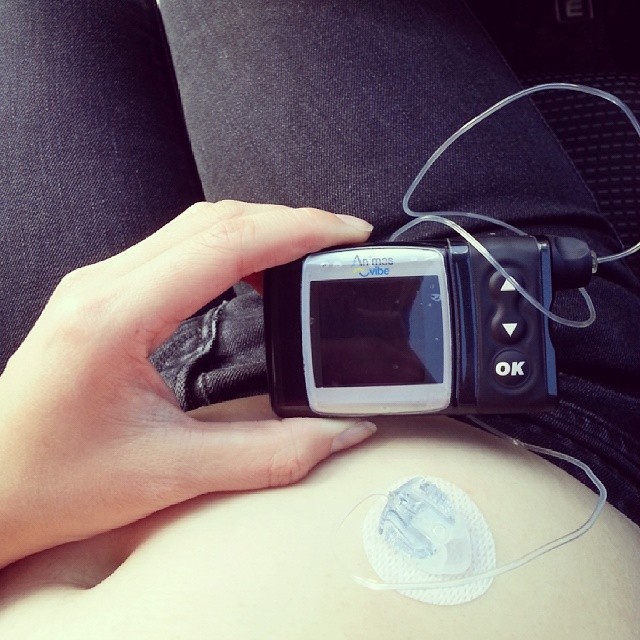
4 years ago, an endocrinologist told me about the insulin pump. I remember being wide eyed and amazed. I must have looked like I was being spoken to in a foreign language! The insulin pump was described to me as a little machine that continuously delivers insulin. When I wanted to eat, I just had to enter the amount of carbohydrate my meal contained into the pump and it will calculate how much insulin I need and deliver it. Most importantly, the ‘injection’ only happens once every three days! This certainly beats needing 4-5 separate injections a day. On the flip side, I would need to be attached to the pump 24/7.
I saw my very first pump on diabetes camp. Pumps seem to be extremely popular these days and diabetes camp is like pumps galore. Every second person with diabetes at camp uses a pump to manage their diabetes. So it was a good platform to check out different brands and hear everyone’s experiences. After hearing many stories that people had with the pump (good and bad), I was a convert. Partly because I’m a bit of a technology nerd and love getting new ‘toys’. More importantly, I wanted the extra freedom and flexibility associated with the pump. I was willing to be attached to it 24/7, which some people see as a constant negative reminder of their diabetes. But sometimes, it’s the small things that makes a difference, such as not having to bear scrutinising stares of others when injecting in public.
Fighting for access to the pump was a long journey. Although my endocrinologists supported the idea, it was always turned down every time I brought it up with my educators. They thought that I was in denial with my type 2 diabetes diagnosis. In actual fact, I couldn’t care less what type of diabetes I have. The bottom line is that I have diabetes. I have accepted it and learned to live with it the best I can. Now I have an opportunity to improve my quality of life and diabetes management through this piece of technology. So why were they preventing me from taking this next step? Turns out that unlike for people with type 1 diabetes and gestational diabetes, the National Diabetes Service Scheme (NDSS) does not subsidise insulin pump consumables for people with type 2 diabetes. Rather than paying $25 a month for things such as infusion sites and reservoirs for the pump, I’d be paying at least $250.
I am extremely upset at how black and white diabetes can be on paper. Surely I’m not the only one who falls into the grey area of a diabetes diagnosis. I tried various channels to access the pump, including contacting pump supplier companies directly and explaining my situation. I even started a petition! The responses were similar everywhere. Finally, I sought the second opinion of a private endocrinologist who agreed to change my diagnosis based on the fact that I am insulin deficient. It wasn’t long until I began filling out pump order forms. But the world thought one more road block was needed. With a week to go before my pump start, I was told that my private health insurance wouldn’t cover my pump. After lots of tears and calls, I found myself a new private health insurer and landed myself a loan pump while serving out my 12 month waiting period. Even now, I’m nervous that something has gone wrong and I will have to return my pump. But until then, I’ll be enjoying and reaping the benefits of using an insulin pump, thank you very much!


 Dr Ashley Ng
Leave a reply to Getting an insulin pump – what’s involved? | Bittersweet Diagnosis Cancel reply