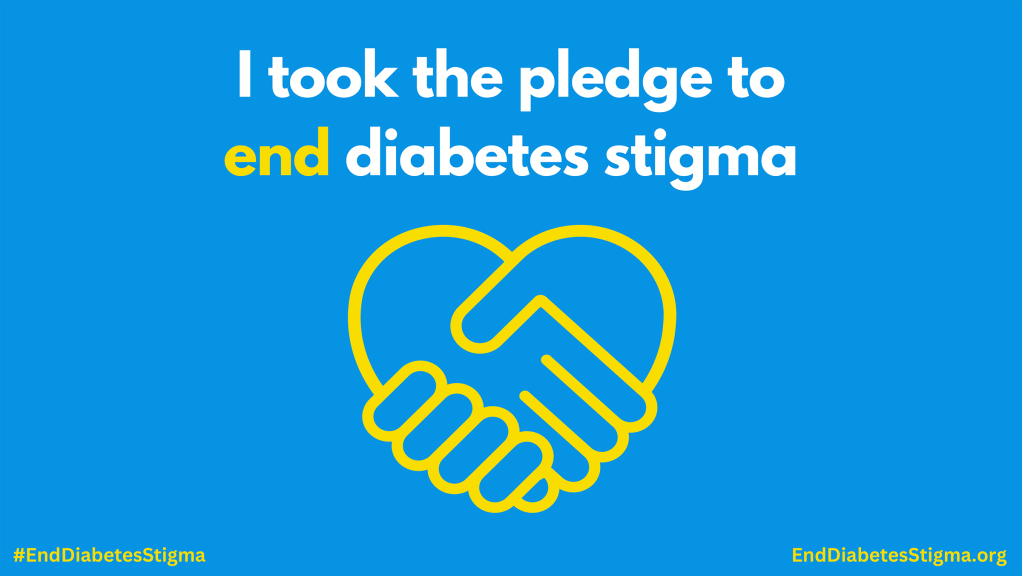
What a celebration we had this year for World Diabetes Day! Over the week, there’s always amazing events happening globally to mark the occassion and bring awareness around diabetes. This year felt a little bit more special with the buzz around the End Diabetes Stigma event, a culmination of research and community-led advocacy to change the way the world sees diabetes.
Early in my diagnosis, when I starting on insulin, I remember reaching out to online support groups for people with type 1 diabetes to find out more about how they live with daily multiple injections. I was feeling so overwhelmed and anxious at the time. Imagine my shock, anger and disappointment when I was turned away from these online groups simply because I said I had type 2 diabetes. “There are other groups for people with type 2”, “This is only for people type 1, this group is not for you” were some of the messages I received after explaining to the admin why I wanted to join the group. Dejected, I ended up starting my own online support group for young adults with type 2 diabetes.
It’s not hard to be kind and empathetic to others who are struggling. I’ve always believed that peer support for diabetes should be available to people with any type of diabetes. In fact, having a safe space for people with different types of diabetes will help to break down the stigma of diabetes by learning from others. Physiologically different types of diabetes can be different and complex but emotionally, its toll wears us down all the same.
I found support, curiousity and kindness from in person peer support at diabetes camps. I think people react differently when someone is physically in front of you talking about what they’re going through compared to reading their story online. I didn’t realise it at the time but sharing my story made an impact and changed people’s perspective on type 2 diabetes.
I’ve had people from camp and at events I’ve spoken at say to me years later that they were admittedly one of those people who sneered and looked down at people with type 2 diabetes. Hearing my story made them realise how little they knew or understood the condition, which further highlights the point that stigma and discrimination is fueled by a lack of understanding and awareness.
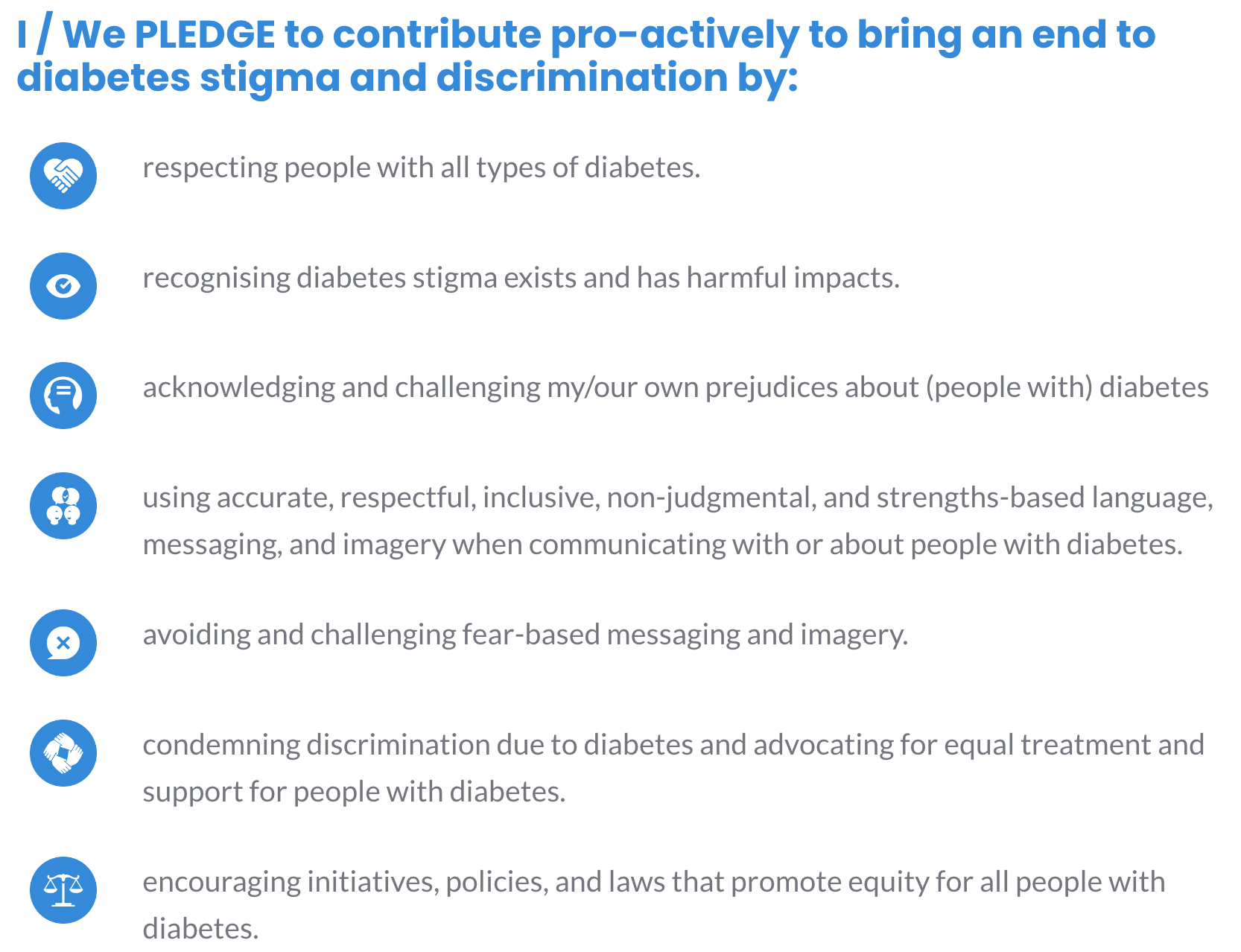
So I would highly encourage everyone to take the pledge to end diabetes stigma and discrimination. For those who are willing to speak up, to share their story and perspective, do it. Channel all the lemons that comes with a diabetes diagnosis into something impactful. I promise you that there will be someone who will hear your story and go “Wow, I feel that way too. What a relief to know I’m not alone”.
You don’t have to change the world, but you might change someone’s world.
 Dr Ashley Ng
Leave a comment